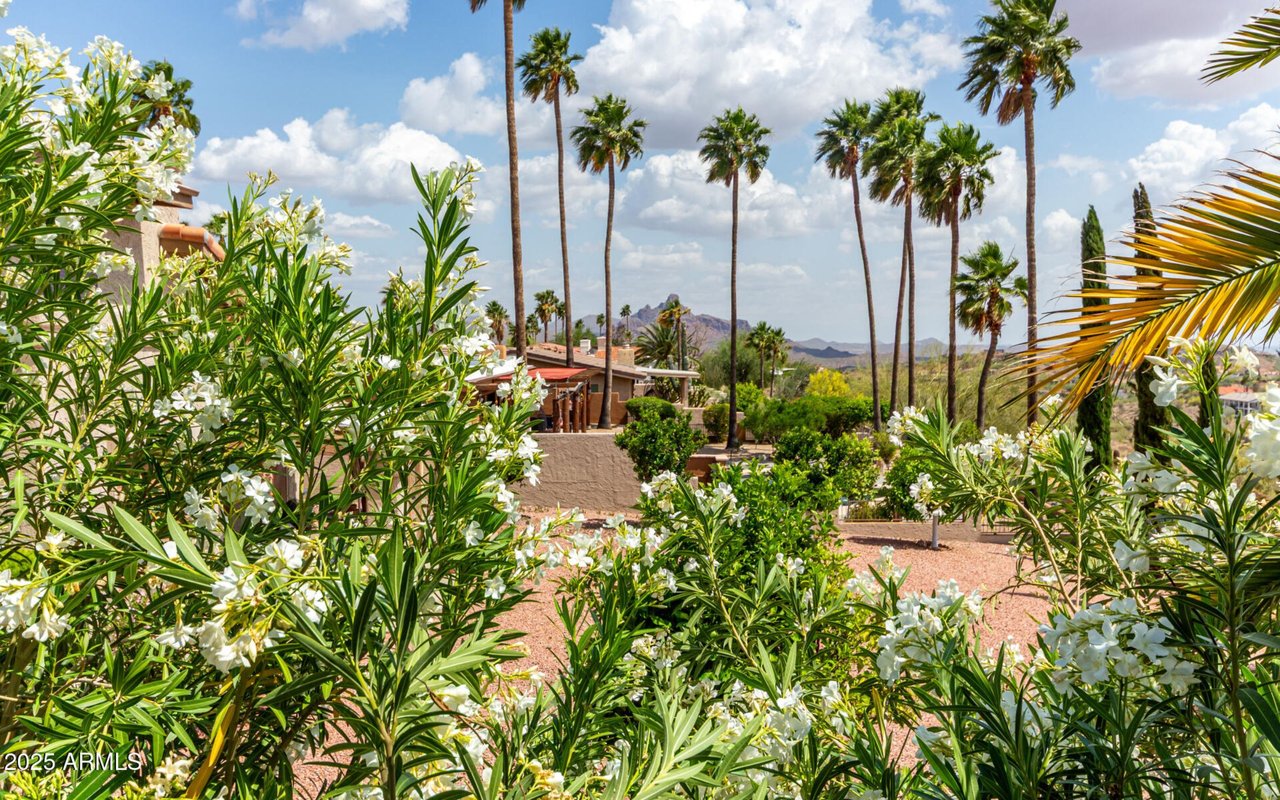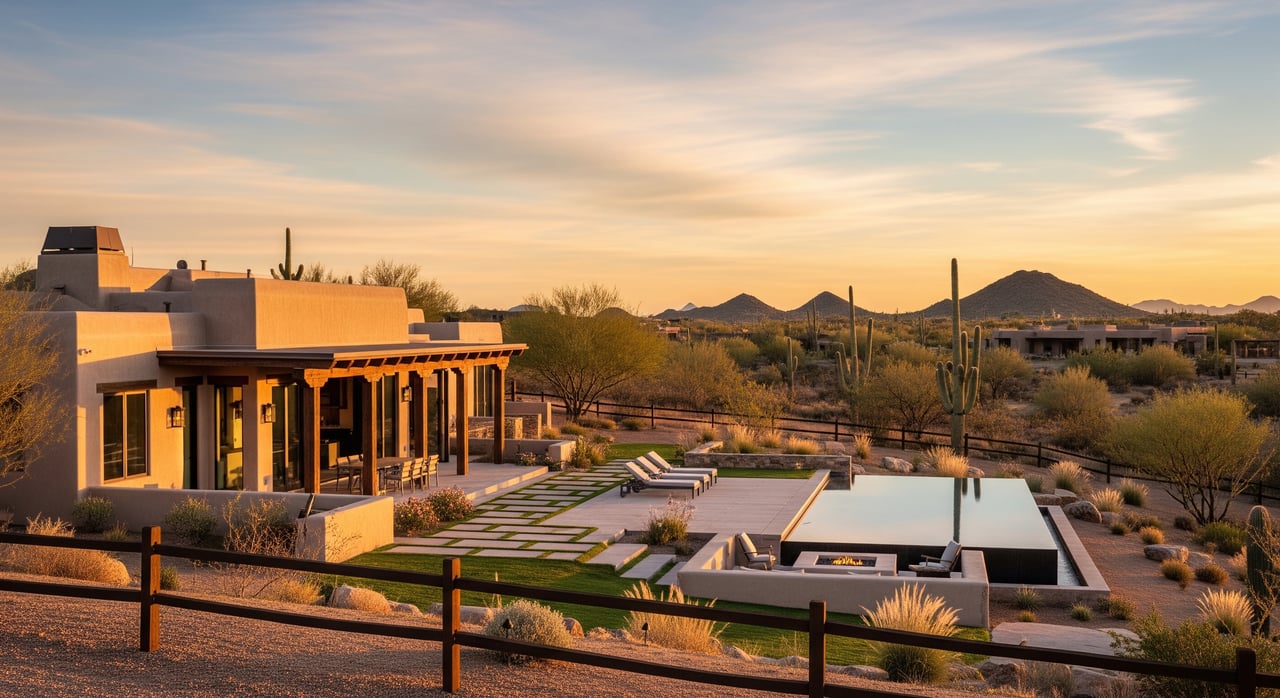
You picture wide-open desert, mountain silhouettes, and quiet nights under bright stars. If you crave more room for your hobbies, horses, or a guest shop, Cave Creek acreage might be the right fit. In this guide, you’ll learn what to know about zoning, water and septic, utilities, equestrian access, hazards, and smart due diligence so you can buy with confidence. Let’s dive in.
Why choose Cave Creek acreage
Cave Creek blends a rural-desert lifestyle with access to North Scottsdale and the greater Phoenix area. You trade dense subdivisions for privacy, space, and sky. Many parcels sit in unincorporated Maricopa County near the Town of Cave Creek, so services and rules can vary by location. Values depend on lot size, water source, infrastructure, access, and views, not just bedroom count.
Lifestyle highlights
- Room for horses, gardening, RVs, and workshops.
- Dramatic sunsets, quiet mornings, and big Sonoran Desert views.
- Access to hiking, riding, and off-roading within minutes.
Property types and zoning basics
Acreage in Cave Creek covers a range of lifestyles and budgets. Your best fit depends on how you plan to use the land, your tolerance for maintenance, and your goals for outbuildings.
Ranchettes: 1–5 acres
Ranchettes often include a single-family home with space for a few horses, small livestock, or a large garden. You may find fenced paddocks, small barns, and storage for trailers or ATVs. These properties balance space with manageable upkeep.
Horse properties and arenas
Equestrian parcels may feature barns, tack rooms, arenas, and multiple paddocks. Zoning often allows horses, but the number allowed and required setbacks vary. Always confirm your specific parcel’s rules before you buy.
Desert estates: 5–20+ acres
Larger acreage focuses on privacy and views, with room for a guest house, shop, or art studio. These homes can feel remote even when they sit close to town services. Maintenance needs scale with size, access roads, and infrastructure.
Jurisdiction and zoning checkpoints
Parcels inside town limits are governed by the Town of Cave Creek, while those outside fall under Maricopa County. Zoning controls setbacks, density, livestock allowances, and accessory structures like guest houses or shops. Start by reviewing the Town of Cave Creek Planning and Zoning resources and the Maricopa County Planning and Development guidance to confirm what is allowed on a specific lot.
- Town of Cave Creek Planning & Zoning: zoning and permitting overview
- Maricopa County Planning & Development: zoning and development standards
Equestrian lifestyle and nearby trails
If riding is on your must-have list, Cave Creek delivers. Spur Cross Ranch Conservation Area and Cave Creek Regional Park offer miles of trails for hiking and horseback riding in classic Sonoran Desert terrain. You will also find private arenas and local equestrian communities nearby. Check the Maricopa County Parks and Recreation site for maps and park details before you plan your routine.
Water, wastewater, and utilities
Most acreage properties do not rely on typical city infrastructure. Plan ahead for wells, septic, and power so you understand your long-term costs and upkeep.
Water sources and testing
Some parcels near the town center can access public water. Many acreage lots use private wells, and a few remote parcels may rely on hauled water and storage tanks. The Arizona Department of Water Resources manages well permits and registration. Before you buy, review well logs, registration, and yield with the ADWR well and permits guidance.
What to verify for wells:
- Registration details, depth, and reported yield.
- Water quality test history and any treatment systems.
- Current usage and plans for irrigation, livestock, or guest units.
Septic systems and inspections
Septic systems are common for acreage homes. Maricopa County Environmental Services oversees septic permits and inspections. Ask for installation records, repair history, and a current inspection that includes scoping and tank pumping. Learn more from Maricopa County Environmental Services.
Power, gas, and backup planning
Electricity is typically supplied by regional utilities such as APS or SRP depending on location. Extending power to a remote lot can be expensive, so confirm availability and any extension fees before you close. Many rural homes use propane for heating and may keep a backup generator for outages.
Internet and connectivity
Coverage varies by parcel. Urban-adjacent areas may have cable, DSL, or fiber nearby, while more rural locations rely on fixed wireless or satellite. Use the FCC Broadband Map to check current options for the specific address, and consider satellite providers if needed.
Access, hazards, and insurance
Great acreage living starts with safe, reliable access and an understanding of the local environment. The desert is beautiful and rugged, which means planning ahead is essential.
Roads, driveways, and maintenance
Some parcels sit on paved public roads. Others rely on dirt or private roads that may require grading, gravel, and dust control. Review recorded easements and road maintenance agreements so you know who maintains what and how costs are shared.
Wildfire and flood awareness
The Sonoran Desert can carry wildfire risk, especially in brushy seasons. Creating defensible space and managing vegetation can improve safety and may help with insurance. Washes and arroyos can also present flash-flood hazards during monsoon storms. Review FEMA Flood Insurance Rate Maps using the FEMA Flood Map Service and learn mitigation best practices from Firewise USA.
Taxes and policy items
For parcel-specific assessments, review property details with the Maricopa County Assessor. Insurance needs can vary based on your home’s construction, topography, fire risk, and distance to emergency services. Request quotes early in the process if the lot is remote or in a higher-risk area.
Lifestyle perks and tradeoffs
Acreage life gives you freedom and a slower pace. It also asks for planning and a hands-on approach.
Perks you will love
- Space for horses, RVs, boats, and hobby shops.
- Privacy, dark skies, and stunning desert sunsets.
- Quick access to outdoor recreation while staying close to metro amenities.
Tradeoffs to plan for
- More time and budget for well, septic, fencing, and road upkeep.
- Variable internet and cell coverage depending on location.
- Longer drives for errands and limited public transportation.
Seasonal and desert know-how
Cave Creek’s seasons bring unique rhythms and maintenance tasks. Monsoon storms can drop heavy rain in a short time, so proper drainage, culverts, and stabilized driveways help prevent washout. Xeriscaping and drip irrigation reduce water use while keeping plants healthy. Expect desert wildlife like javelina, coyotes, and rattlesnakes. Good fencing and livestock practices keep animals safer and reduce conflicts.
Buyer due diligence checklist
Use this checklist to organize your research and keep surprises to a minimum.
Title and access
- Confirm ownership, recorded easements, and clear ingress and egress.
- Verify whether the road is public or private and who maintains it.
- Check for CC&Rs or HOA rules, even in rural areas.
Zoning and permitted uses
- Confirm jurisdiction: Town of Cave Creek or Maricopa County.
- Verify the exact zoning designation and allowed uses, including horses, guest houses, and shops.
- Check past permits for existing structures and required permits for planned improvements.
Water and wastewater
- Identify the water source and obtain well logs, ADWR registration, and recent water tests.
- Confirm well yield is adequate for your plans, including irrigation or livestock.
- Review septic permits, system capacity, and a recent inspection with pump-out.
Utilities and connectivity
- Confirm electric provider, service availability, and any extension fees.
- Check propane availability and backup power options.
- Use the FCC Broadband Map to verify internet options for the exact address.
Physical inspections
- Order a full home inspection and roof, foundation, and structural checks.
- Schedule a well inspection and pump test, plus septic scope and tank service.
- For equestrian use, inspect fencing, arenas, barns, and waterers.
Hazards and insurance
- Check FEMA flood maps and local topography for wash locations.
- Discuss wildfire risk and mitigation with your insurer and implement defensible space.
- Confirm local fire district coverage and expected response patterns.
Neighborhood and services
- Drive routes to groceries, medical care, and other essentials at different times of day.
- Learn how trash pickup and mail delivery work for the area.
- If schools matter to your move, map distances and transportation options.
Financing and appraisal notes
- Expect fewer comparable sales and more appraisal nuance on larger or unique parcels.
- Some lenders may require additional inspections for wells and septic.
- Work with lenders experienced in rural Arizona properties.
How we help you buy with confidence
Acreage purchases have more moving parts than a typical subdivision home. You deserve a partner who brings senior-level oversight, local knowledge, and hands-on coordination. Our team helps you evaluate zoning and permitted uses, line up well and septic inspections, confirm access and utilities, and connect with trusted vendors for fencing, grading, and ranch setup. When you are ready to make a move, we guide pricing, negotiation, and timelines so you feel prepared at every step.
Ready to start your Cave Creek acreage search or talk through a parcel you have your eye on? Connect with Key Select Real Estate to Schedule a Personal Consultation. We will listen to your goals, map a clear plan, and handle the details so you can focus on the lifestyle you want.
FAQs
What should I know about wells on Cave Creek acreage?
- Many parcels use private wells, so verify ADWR registration, depth, yield, and recent water tests, and confirm the supply fits your plans for irrigation or livestock.
How do septic systems work for rural homes in Cave Creek?
- Most acreage properties use septic; review permits, capacity, and inspection results with Maricopa County Environmental Services and budget for routine pumping and repairs.
Who sets the rules for horses and outbuildings on my lot?
- Zoning and permitted uses depend on jurisdiction; check Town of Cave Creek or Maricopa County zoning to confirm livestock allowances, setbacks, and accessory structure permits.
How can I check internet options for a specific rural address?
- Use the FCC Broadband Map to see current providers and technologies at the parcel level, and consider fixed wireless or satellite if fiber or cable is not available.
What hazards should I plan for on desert acreage?
- Review FEMA flood maps for wash and flood zones, plan drainage for monsoon storms, create wildfire defensible space, and get insurance quotes early for remote parcels.
Are property taxes simple to verify for a specific parcel?
- Yes, you can confirm assessments, history, and parcel details through the Maricopa County Assessor before you buy.